
Sexual Fantasies of Her and Him
June 30, 2026
IOT Solutions Barcelona 2019
June 30, 2026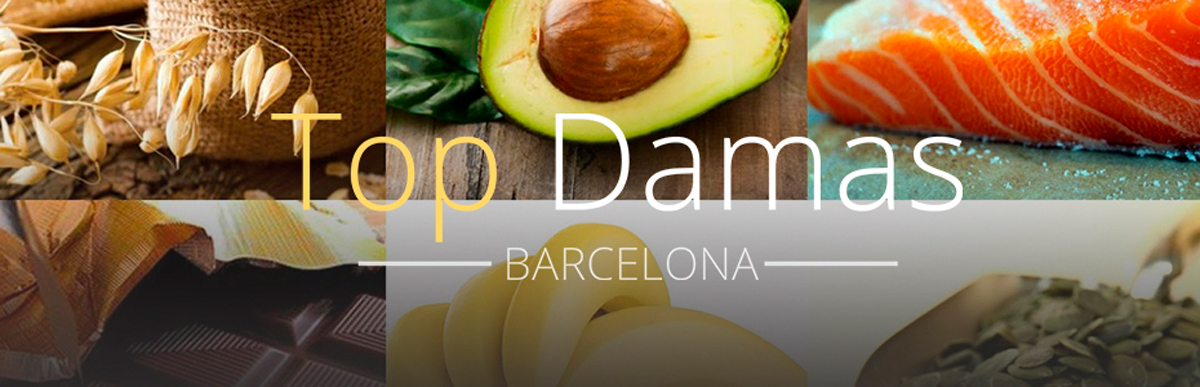
THE SEROTONIN DIET
Lowry Turner, a well-known journalist and writer, in her book “The Serotonin Diet ,” published by Blume, gives us the keys to losing weight and feeling good by gradually shedding pounds through a natural fat-burning process, helping us understand that our hormones are responsible for hunger, sudden cravings, and poor food combinations.
The author herself explains that this book stems from her personal experiences and her constant weight fluctuations, as well as the social and health implications of those fluctuations.
He acknowledges that by changing one’s eating habits in the right way, a person can not only feel slimmer, look better, and consequently have higher self-esteem, but also feel more energetic and, above all, more balanced and happy. After all, we are what we eat.
To lay the groundwork for this diet, the author began studying nutrition and later, at the same time, studied psychology and anatomy.
This gave him a deep understanding of why many people have problems with food.
Lowry Turner asserts that overeating is a form of self-medication and an attempt to correct imbalances in what she calls the S-factor hormones (which we’ll discuss in more detail later).
In fact, scientific studies have shown that certain foods stimulate some of our hormones.
The key is to adjust your diet to regulate your hormones as well. If your S-factor hormones are functioning properly, you’ll lose weight and feel much better overall.
The S-Factor Diet has three goals: to boost mood, reduce appetite, and burn fat.
It is based on scientific studies that show that what we eat is directly related to our hormones and the foods we consume.
It has also been shown that, in addition to burning fat, it improves sleep and rest, and that the appearance of the skin, hair, and even symptoms of premenstrual syndrome, polycystic ovary syndrome, and endometriosis could be alleviated by the S-factor diet, “the serotonin diet.”
The first thing to do is reduce your intake of trans fats (artificially processed fats), which are liquid fats that become solid through the hydrogenation process… Foods containing trans fats include junk food, pastries, and industrially produced pasta.
Unlike the fats mentioned above, “good” fats help boost cognitive function; these “essential” and beneficial fats are found in fatty fish such as salmon, nuts, seeds, and olive oil.
In his book, *The Serotonin Diet*, LowryTurner provides us with countless healthy and delicious recipes… The idea is to add foods to your diet that have a significant impact on four key hormones: serotonin, dopamine, leptin, and the adrenal glands.
It’s not a miracle diet; it’s a diet that involves a lifestyle change and must be maintained for life.
The diet initially focuses on 14 hormone-balanced meal plans, one for each of the S-factor hormones (serotonin).
Here are the principles of the S factor:
1. Eat plenty of lean protein, especially at breakfast. This helps produce high levels of serotonin.
2. Eat low-glycemic-index grains, such as oats and rye, as well as legumes and chickpeas, to balance your blood sugar levels, thereby controlling hunger pangs and ensuring that your serotonin hormones function properly.
3. Eat nuts, seeds, and fatty fish such as salmon and mackerel…they contain essential fats that help your brain properly utilize S-factor hormones.
4. Have a snack based on the S factor in the evening before bed to avoid snacking.
The serotonin diet focuses on four key hormones that have a major influence on mood and weight. These are:
Serotonin: The “Good Mood” Hormone
Good serotonin levels make us feel calm, satisfied, and free from hunger pangs.
Low serotonin levels make us feel depressed and turn us into chocolate addicts.
Serotonin is composed of an amino acid called tryptophan, which we obtain from the foods we eat, such as avocados, bananas, beans, chicken, eggs, and turkey. If you need to use sweeteners, choose agave syrup (made from a type of cactus), stevia (extracted from a small Paraguayan shrub), or xylitol (an alcohol derived from plants and trees).
Dopamine: The “Motivational” Hormone
Dopamine is a chemical released in our brain in response to a reward. Low dopamine levels weaken our resolve and cause us to compulsively consume sugar, tobacco, coffee, etc. Dopamine is made from tyrosine. The best dietary sources are: almonds, bananas, fish, soy, watermelon…
Leptin: the “I’m not hungry” hormone
Leptin is secreted by the brain at night; it signals that we already have enough body fat and reduces our appetite, which speeds up our metabolism to burn off any excess.
This is what you should do, but if you’re overweight, the hormone doesn’t work properly, and you’ll feel fat and hungry.
There is no food that helps us produce more leptin.
However, foods rich in resistant starch, such as oats, boost metabolism and reduce hunger. We can also take advantage of other hormones that regulate hunger, such as ghrelin (by filling the stomach with foods that increase its volume and are high in water and fiber but low in fat).
The best foods for stabilizing leptin are: legumes, eggs, and lean proteins; green bananas; oats; fatty fish; nuts; and seeds.
Adrenal hormones: the “stress” hormones
This group, which includes adrenaline and hydrocortisone, is secreted by the adrenal glands.
The right amount of adrenal hormones gives us energy. When there’s too much, we raid the fridge…
To prevent the overproduction of adrenaline and hydrocortisone, it is important to keep blood sugar levels in check (carbohydrates and proteins).
The adrenal glands need a wide variety of minerals found in nuts, seeds, and essential fatty acids.
The antioxidants and magnesium found in brightly colored and leafy green vegetables, as well as the vitamin C in dark-colored berries, are also ideal.
The best foods for nourishing the adrenal glands are: dark-colored berries, green and brightly colored vegetables, nuts and seeds, fatty fish, and sea vegetables such as nori.